The Readiness Gap Between Executives and Frontline Users
The readiness gap between executives and frontline users appears when strategic clarity at the top has not yet become usable work. This article explains why translation, sensemaking and frontline confidence matter before go-live.
Why AI Adoption Fails When Employees Don’t Trust the Output
AI adoption fails when employees cannot calibrate trust in the output. This article explains why responsible AI readiness depends on verification, role-level guidance, and clear accountability.
AI Copilots and the New Readiness Problem: When Users Must Learn to Work With Uncertainty
AI copilot adoption creates a new readiness problem: users must learn calibrated trust, verification habits, and judgment under uncertainty, not just prompts and tool features.
From Readiness Survey to Leadership Action
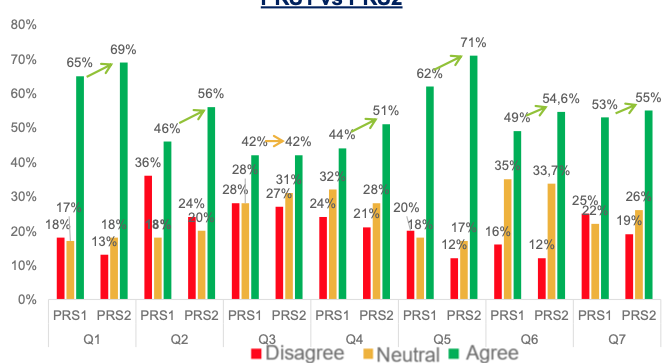
A readiness survey only matters when its results change leadership behavior before go-live. This article explains how to turn readiness evidence into named action, ownership, and governance.
The Hidden Cost of Expert Overload
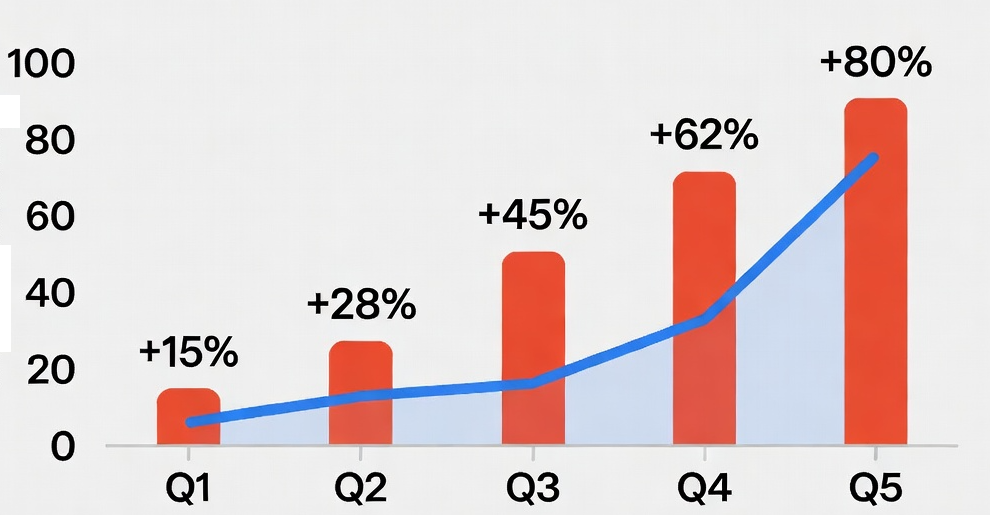
Key users and business experts often become the invisible infrastructure of ERP programs. This article explains why expert overload is an implementation risk, not a soft people issue.
Why ERP Programs Need Adoption Evidence Before Go-Live
Why ERP go-live decisions need adoption evidence before production, not only technical readiness, training completion, and optimistic traffic lights.